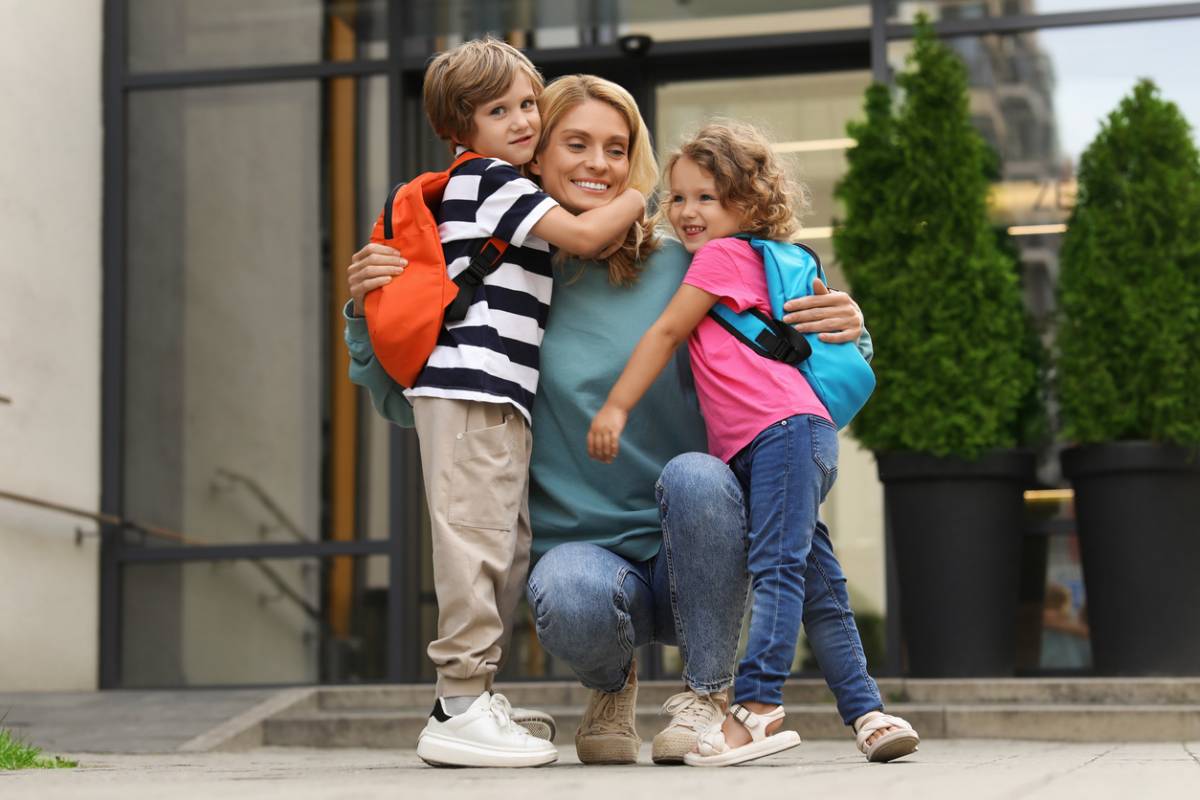
Drop-off can be one of the hardest parts of the day for children and parents alike. Even the best child development center is not immune to separation anxiety when it’s time to say goodbye for the day. This is particularly common in the early years, when children are learning their world and how to feel safe in it, away from their parents. A strong early childhood education environment can help children build confidence, but you can make simple modifications at home and during drop-off to ease separation anxiety.
Why Separation Anxiety Occurs
Separation anxiety is a normal part of childhood development. In their first years, children develop deep bonds with their parents and caregivers. The thought of losing proximity can trigger negative feelings. Even children who love school struggle with the hard feelings that come with separation once they settle in. This isn’t necessarily an indication that something is wrong. The emotional part is often the transition itself, not the entire school day.
Create a Morning Routine
A predictable morning routine is an effective way to ease separation anxiety. If mornings are rushed, chaotic, or unpredictable, drop-off can feel more emotional. A consistent, basic routine each morning prepares your child to transition with less anxiety because, after their morning routine, they know school comes next. The calmer the morning feels, the easier it may be for your child to separate from you. It isn’t about building the perfect morning; you just need to build a repeatable routine that feels steady and familiar.
Talk Positively About School
Children pay attention to what adults around them say. How you talk about school in front of your child can create unintentional bias in their mind. Positively talking about preschool can help them see school as something to look forward to instead of something scary. A positive attitude towards school isn’t going to remove the difficult feelings, but it does help children understand that school is a normal part of life.
Keep Goodbyes Short and Calm
One thing parents can do that makes the greatest impact is to keep goodbyes short, calm, and predictable. Long goodbyes often make separation harder because they draw out the anxiety and amplify it in most cases. Trying to get away undetected may cause fear because they may equate school with their parent or caregiver disappearing without warning. A simple daily goodbye ritual is an easy way to help with this problem. Try not to return when your child is crying; going back repeatedly can teach them that crying will keep you from leaving.
Bring a Comfort Item if Allowed
Some children respond well to drop-off if they have a small reminder of home with them. If the school allows it, a comfort item can help ease the transition. The item should be something practical and not too distracting. It should also be something that can be put away for the day if necessary. A comfort item isn’t a sufficient replacement for routine and reassurance, but can give a little extra security.
Overcoming Drop-Off Anxiety
Separation anxiety can be emotional, but it is also something that can be worked through over time with patience and support. A calm morning routine, positive talk about school, short goodbyes, and comfort items are all helpful tools that can ease anxiety created by preschool drop-off.
Give a call to discuss how we can help your child ease their separation anxiety at drop-off.