Reading development begins long before a child recognizes their first letter or sounds their first word. Research in developmental psychology consistently demonstrates that the foundations for literacy are established during infancy and toddlerhood, making early exposure to books and diverse language essential for later academic achievement. The literacy interactions you provide early on shape neural pathways that support language acquisition, vocabulary development, and reading comprehension. This is true whether your child attends preschool, infant and toddler daycare, or stays at home. You can encourage reading and literacy early on by implementing evidence-based practices, setting your child on the path to becoming a confident, capable reader, which gives them an advantage throughout their educational career and beyond.
Constructing a Strong Foundation
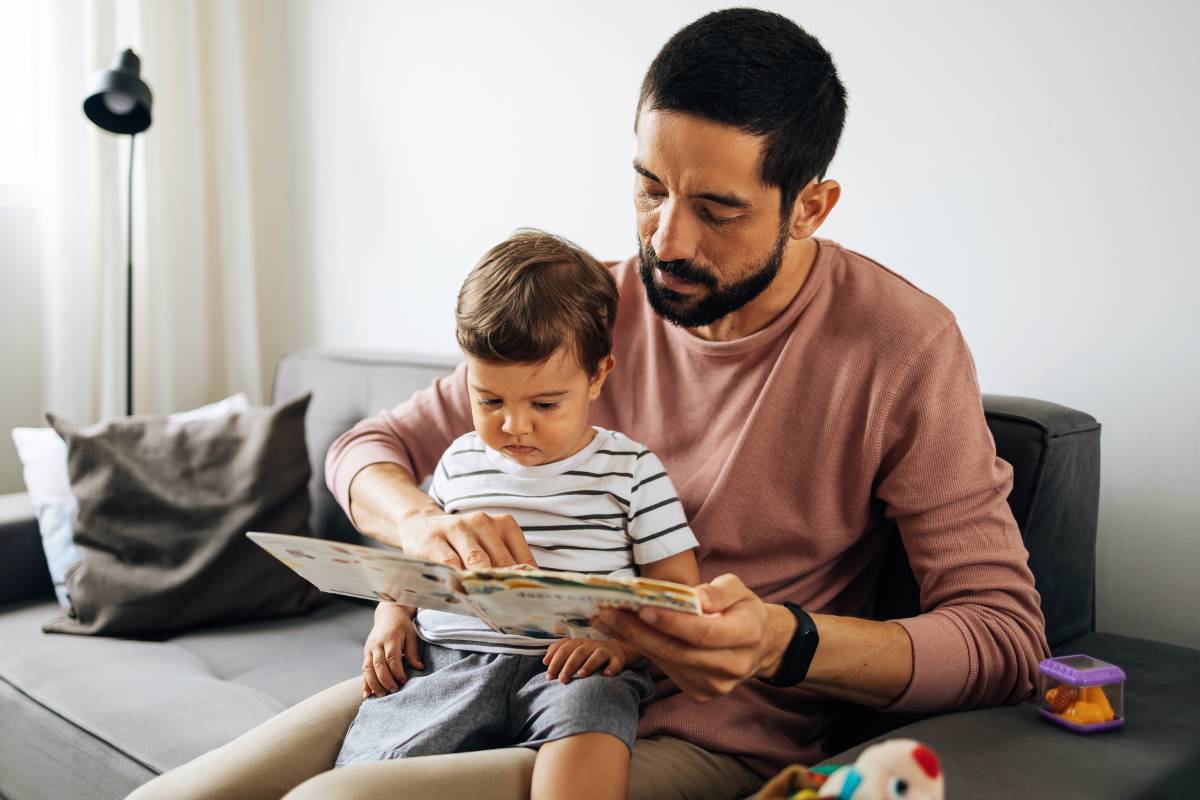
A common question many new parents have is when to introduce books. The answer is from birth. Even though your infant cannot comprehend stories, they begin to catch on to language patterns and intonation. Choose books with high-contrast images, simple illustrations, and minimal text for young readers. During the earliest years, reading is about more than the words on the pages; it includes pointing at pictures, making sounds, and allowing infants and toddlers to mouth and manipulate books. Early neural responses have been identified as early as six months, showing distinct brain activation patterns.
The Vocab Explosion of Toddlers
Toddlerhood is a period of rapid vocabulary acquisition, with toddlers learning an average of 5-10 new words daily between the ages of 18 months and 2 years. Books provide exposure to a diverse vocabulary not typically used in everyday conversation. Common dialogue between a parent and child uses common, functional words. Picture books introduce descriptive language, action verbs, and concept words that expand linguistic repertoire.
Repetition matters significantly during these early years. Your toddler requests the same books because repetition strengthens cognition and builds mastery. Research indicates that repeated exposure to the same texts accelerates vocabulary acquisition more effectively than constantly introducing new material. So whether it’s the third time or the 30th, that book your toddler loves so much is still helping them improve reading and literacy every time.
Consistency Over Perfection
It doesn’t matter what books you buy, which preschool your child attends, or whether you follow a specific program. The key to encouraging reading and literacy is consistency. Reading with your child for 10 minutes a day will have a much greater impact than the occasional hour-long reading session. Keep in mind that some weeks will be overwhelming, and reading routines slip from time to time. The important thing is that you return to your routine when you can. Actual progress comes with sustained effort, not perfect execution of techniques.
Support and Encouragement Practices
There are countless ways you can support and encourage your child’s reading and literacy that are simple yet incredibly effective. A few conservative ways you can encourage your child include:
- Read nursery rhymes and books aloud together.
- Sing, draw, and tell stories.
- Play audiobooks.
- Label objects in your home.
- Play word games.
- Talk about the meanings of words.
- Point out new or interesting words when they arise.
- Offer a literacy-rich environment.
- Talk about school, magazines, or current events.
- Model good literacy behavior by reading regularly yourself.
Building Lifelong Readers
Encouraging reading and literacy doesn’t require formal instruction or pressure. Simple techniques like daily reading, diverse conversations, and programs like quality preschool help children develop the skills necessary for success and effective communication. The minutes you invest in reading with your young child create neural connections and opportunities to broaden vocabulary, benefits they will have throughout their lives. Encouraging reading and literacy is significantly beneficial for everyone.
Want to learn more about how you can encourage reading and literacy at home? Give us a call today.